Solo Production + Direction + Editing
VIDEO WORK
Overview
PRODUCTION, DIRECTION, AND EDITORIAL WORK
Three solo productions and one editorial project working with professional raw footage. A cannabis music and advocacy festival. An advocacy march through Fort Worth. A nationwide protest documented from the steps of the state capitol. And a scene assembled from four takes of professional footage with separately captured audio — the kind of work that demonstrates what editing actually is when the material is already good.
The common thread isn't the subject matter. It's the discipline — making deliberate decisions at every stage and delivering something finished.
Cannarock
A CANNABIS MUSIC FESTIVAL, FLOOR TO STAGE
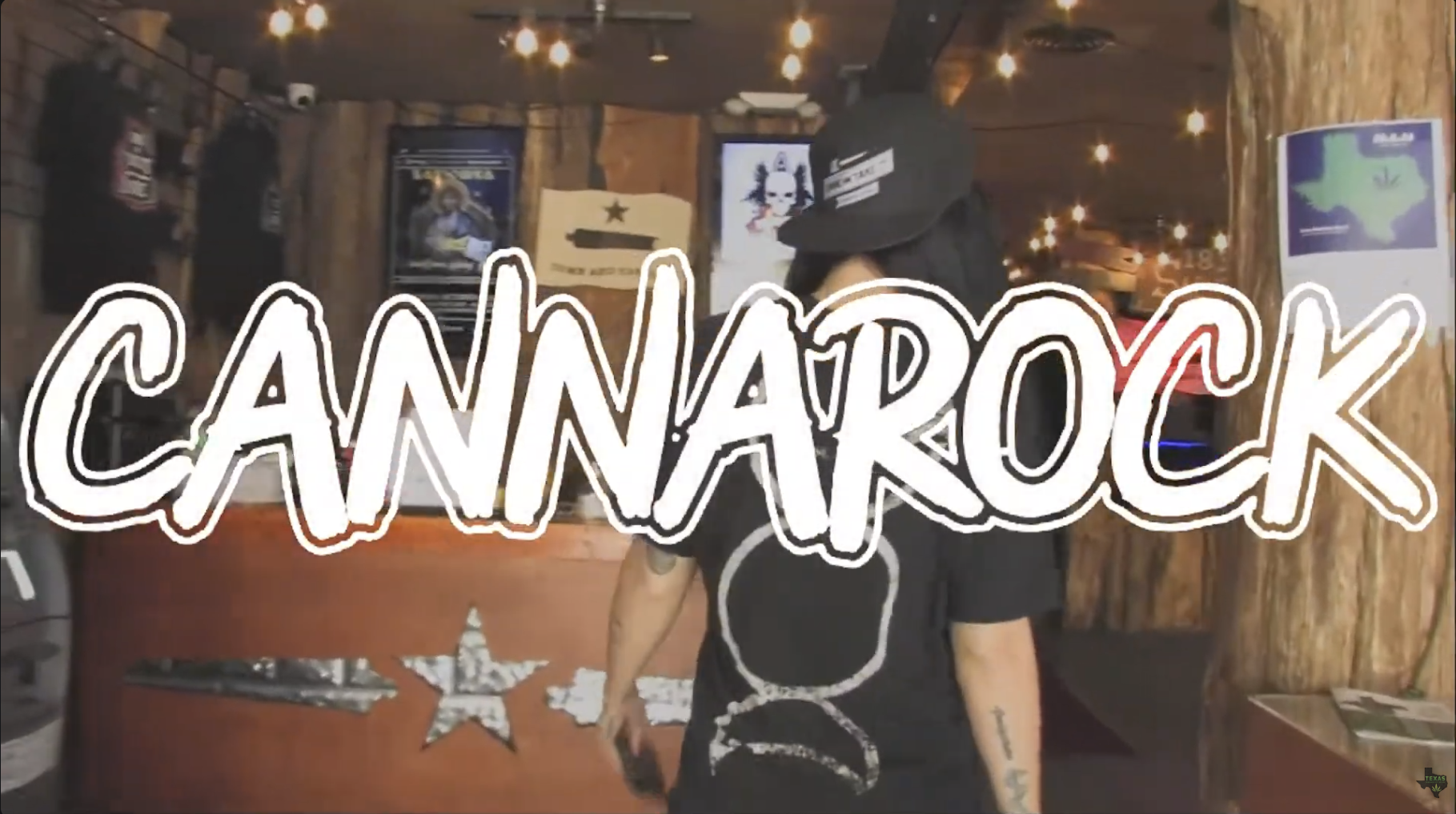
Cannarock is a cannabis industry music festival. The film was shot and edited solo — no crew, no second camera, no safety net. Floor access to stage, capturing artists, vendors, and the crowd across a full day of programming.
The editorial challenge was making something that felt alive and chaotic without being unwatchable. Festival energy on a one-person budget with zero room for second chances on any shot.
The Approach
Run-and-gun. Every angle a judgment call in real time. The edit had to construct a coherent arc from hours of handheld, mixed-light, loud-venue footage — and make it feel intentional, not accidental.
The Medium
Cannabis industry events exist in a documented but under-covered space. This is a scene that doesn't get serious production attention. Bringing the same care you'd bring to any festival coverage changes what the footage communicates.
No Kings
AUSTIN PROTEST COVERAGE.
No Kings is Austin protest coverage — documentation of the moment as it was happening, with the editorial intention of making the footage work as something more than raw footage.
The political conditions that produced the protests are documented. The people who showed up are documented. The edit makes those two things speak to each other in a way that holds up past the news cycle.
The Editorial Standard
Protest coverage that treats its subjects as individuals rather than crowd shots is harder to make and harder to dismiss. That's the standard this was shot to.
The Finish
Picture, sound, and delivery — complete. Three films in, the same standard across all of them.
Ft. Worth Marijuana March
ANNUAL MARCH DOCUMENTATION ACROSS GROUND GAME TEXAS
The Fort Worth Marijuana March is an annual event spanning Ground Game Texas and regional advocacy groups across the DFW area. The film documents the march, the speakers, and the community that shows up year after year to make the same argument to the same legislators.
There's a particular kind of patience required to cover advocacy work — the kind where the story is not the event but the persistence. This film is about the persistence.
The Organizations
Ground Game Texas anchors the organizing infrastructure. Regional advocacy groups across the DFW corridor bring the bodies and the voices. The film covers both the institutional side and the street-level energy of the march itself.
The Editorial Frame
Annual documentation creates continuity. This isn't a one-off — it's a record that accumulates meaning across years. The goal is footage that works now and holds up as an archive.
Love & Air Sex — Scene Assembly
PROFESSIONAL FOOTAGE. EDITORIAL JUDGMENT.
Austin director Bryan Poyser provided raw footage from Love & Air Sex — four takes of a single scene, along with separately captured audio from the production. The task was assembling those elements into a single coherent cut that could hold up as a finished, screenworthy piece of the film.
No shooting. No directing. Just editorial decision-making applied to professional material — choosing which take carries which moment, where the cuts land, how the separately recorded audio integrates against picture that was captured independently.
What the Work Demonstrates
Editing is not trimming. It's understanding what a scene is doing emotionally and structurally, then building that out of the available material — even when that material was never cut before and came from a professional production with its own internal logic.
The Context
Bryan Poyser is an Austin-based independent director. Working with footage from an actual production at that level meant the standard was the film itself. The cut either works in that context or it doesn't.
The Through Line
SOLO PRODUCTION IS A CONSTRAINT AND A CHOICE
Working alone changes what you shoot and how you edit. There's no safety net, no second unit, no coverage you forgot to get. Every decision is a commitment, and the edit has to work with what actually exists — not what you wish you'd captured.
The discipline that comes from that constraint is transferable. The same judgment calls that make solo documentary work function are the same ones that make any production decision-making sharper. Budget doesn't fix bad instincts. Solo work reveals them.
The Transfer
Narrative construction, real-time editorial judgment, working in conditions you don't control, and delivering something finished from material you captured alone — that skill set doesn't stay in documentary. It moves.